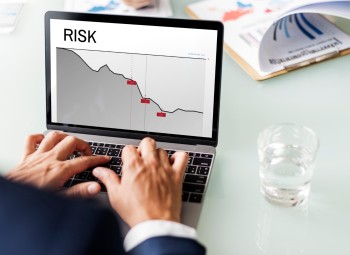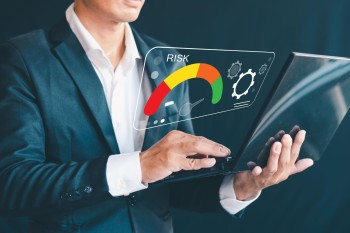
Running a business always comes with some level of uncertainty. Things do not always go as planned, and those surprises—big or small—can set the team back or even lead to bigger problems. That is where risk management training steps in. When your team knows how to spot risks early and handle them the right way, your business can bounce back more quickly or avoid costly mistakes altogether. It is not about building fear. It is about building confidence to handle challenges calmly and clearly.
Training gives employees a clearer picture of what could
go wrong and helps them stay alert to any red flags. Whether it is a shift in
the market, a sudden internal issue, or an unexpected incident, proper
preparation keeps teams functioning rather than scrambling. This type of
training does not just protect the company. It empowers people to speak up,
take action, and work with more trust in their decisions. That ripple effect
can improve not just safety and compliance, but also creativity, accountability,
and overall morale.
Understanding Risk Management
Risk management means spotting what might go wrong in a
business and putting plans in place to reduce the fallout or avoid the issue
altogether. It is about being prepared without overreacting. Risks can come
from inside or outside the business, and they can affect financial records,
daily operations, security systems, or even a company’s reputation.
A few common types of risks include:
- Financial risks like revenue dips, budgeting gaps, or
fraud
- Operational risks tied to broken processes or human
error
- Legal and compliance risks from not following laws or
industry standards
- Strategic risks that come from poor planning or weak
competition analysis
- External risks such as natural disasters, political
shifts, or tech failures
With risk management, it is not just top leadership that
should be on the lookout. Every team member has a role in helping protect the
business. The people who are on the ground floor—handling data, dealing with
suppliers, managing systems—often spot the signs early. When they are trained
on what to watch for, they can step in before small concerns snowball into
bigger trouble.
Imagine a team member in charge of managing vendor
payments notices an unusual invoice that does not match the usual pattern. With
the right training, they know it could be a sign of fraud or error and bring it
to someone’s attention immediately. Without that awareness, the invoice might
just pass through unnoticed. In this way, routine checks turn into strong lines
of defense when everyone understands the risks.
Key Benefits of Risk Management Training
Training does not just build awareness. It changes how
people respond under pressure. It helps teams think through situations clearly,
stay compliant with rules, and avoid rash decisions that could hurt the
business. Some of the biggest benefits include:
1. Improved Decision-Making
Knowing what is at stake helps team members think ahead.
They learn to weigh risks and outcomes before jumping into action. This leads
to smarter choices, especially when fast decisions are needed and there is no
time to run things up the chain.
2. Enhanced Compliance
Training helps staff stay updated on current rules and
policies. This results in fewer accidental violations and a lower chance of
legal trouble. When laws or guidelines change, trained teams adjust more
quickly and correctly.
3. Preparedness for Emergencies
From data breaches to natural disruptions, emergencies
happen. A team that has been trained will not panic. They will rely on clear
steps and communication to step into action, limiting both damage and downtime.
4. Increased Confidence and Morale
Understanding how to handle unexpected problems makes
employees feel more in control. They are not just reacting to situations—they
are ready for them. That improves team confidence, reduces stress, and builds a
sense of unity, especially when things get tough.
These skills do not just sit in a manual somewhere. Once
risk training becomes part of a team’s routine, it begins to shape the way
people work every day. There is more awareness, stronger decision-making, and
better protection for the business without slowing things down.
Implementing Effective Risk Management Training
Rolling out risk management training does not have to
follow one path. Different teams and business models benefit from different
learning tools. Picking the right mix keeps the training useful and engaging.
Some teams might do well with structured online courses, while others might get
more from group workshops or scenario-based discussions.
Here are a few common methods that help build risk
awareness:
- Workshops: Hands-on and often more interactive, these
sessions are great for small teams or departments working closely together
- Online classes: Flexible and scalable, making them
ideal for training larger teams or remote staff
- Simulations: These walk teams through real-life
scenarios to test reactions and sharpen problem-solving
- Job aids and cheat sheets: Quick-reference materials
that keep guidelines fresh, especially in high-turnover environments
No matter the method, the best results come from
tailoring the training to match the company’s needs and the team structure.
What works for the finance department might not work for warehouse staff. Each
group faces a different set of risks and needs specific tools to manage those
situations.
Another major point is staying up to date. Risks evolve.
Regulations shift. That is why this is not a one-time event. Keeping training
current ensures your team’s knowledge grows and keeps pace with change. A
refresher every quarter or when new rules roll out can go a long way in keeping
bad surprises at bay.
Finding the Right Training Partner
Choosing the right partner to lead your training matters
just as much as the effort you put into your program. A good provider does not
just drop in for a one-time lecture. They take time to understand your
industry, company structure, and the kinds of challenges your team faces every
day. Look for people who can speak your team’s language, whether it is finance,
logistics, customer service, or tech.
Here are some key traits to look for:
- Strong background in risk and compliance work
- Real-life experience, not just classroom credentials
- Reputation for working with companies like yours
- Proven ability to adapt content to different teams or
industries
- Provides flexible formats, like hybrid training
options
Before making a decision, have direct conversations with
potential providers. Ask questions such as:
- How do you customize your training for different
roles?
- Can you help us build a plan for ongoing learning?
- Have you handled situations like ours before?
- What kind of success stories or results have past
clients seen?
These questions are not just for information—they help
you see how invested the provider is in your team's growth. Clear answers show
that the trainer understands what your team needs and is willing to help over
time, not just during one session.
Building Strength from Preparedness
Training your staff in risk management is not just about
playing defense. It is about making your team stronger from the inside out.
When people know what to look out for and how to act quickly and thoughtfully,
your business runs with fewer disruptions. There is less wasted time fixing
avoidable mistakes and more energy going toward long-term goals.
When you treat risk training as an ongoing process, it
becomes part of how your team works, not just an occasional checkbox. That
creates a culture of responsibility and readiness. Employees feel supported,
trusted, and capable—ready to flag concerns and handle them with skill.
Strong companies are built on prepared teams. Creating a
habit of steady, useful, and realistic training gives your team the awareness
and tools to lead through change, challenge, and opportunity. When that mindset
becomes part of everyday operations, you reduce risk and build something more
resilient at every level.
Enhance your business's resilience by turning risk
management into a strategic advantage. At Vertrauen Limited, we believe that
understanding and addressing these challenges starts with expert guidance. To
fortify your team’s capabilities and ensure compliance, consider how a trusted tax
consultant can help you navigate the complexities of regulations
while safeguarding your business's future.